
Call us now :08045804098
 Send Inquiry
 Send Inquiry
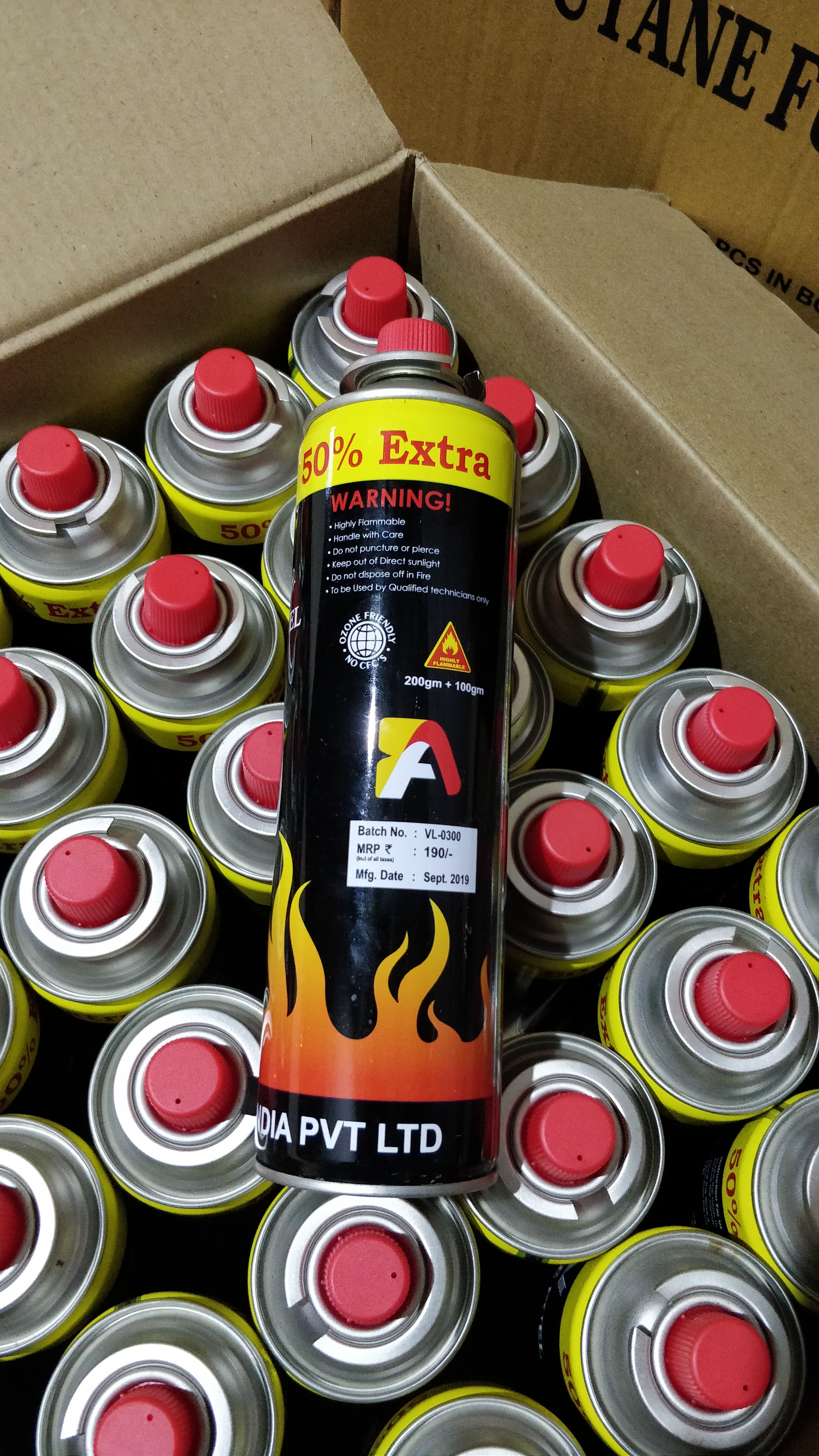
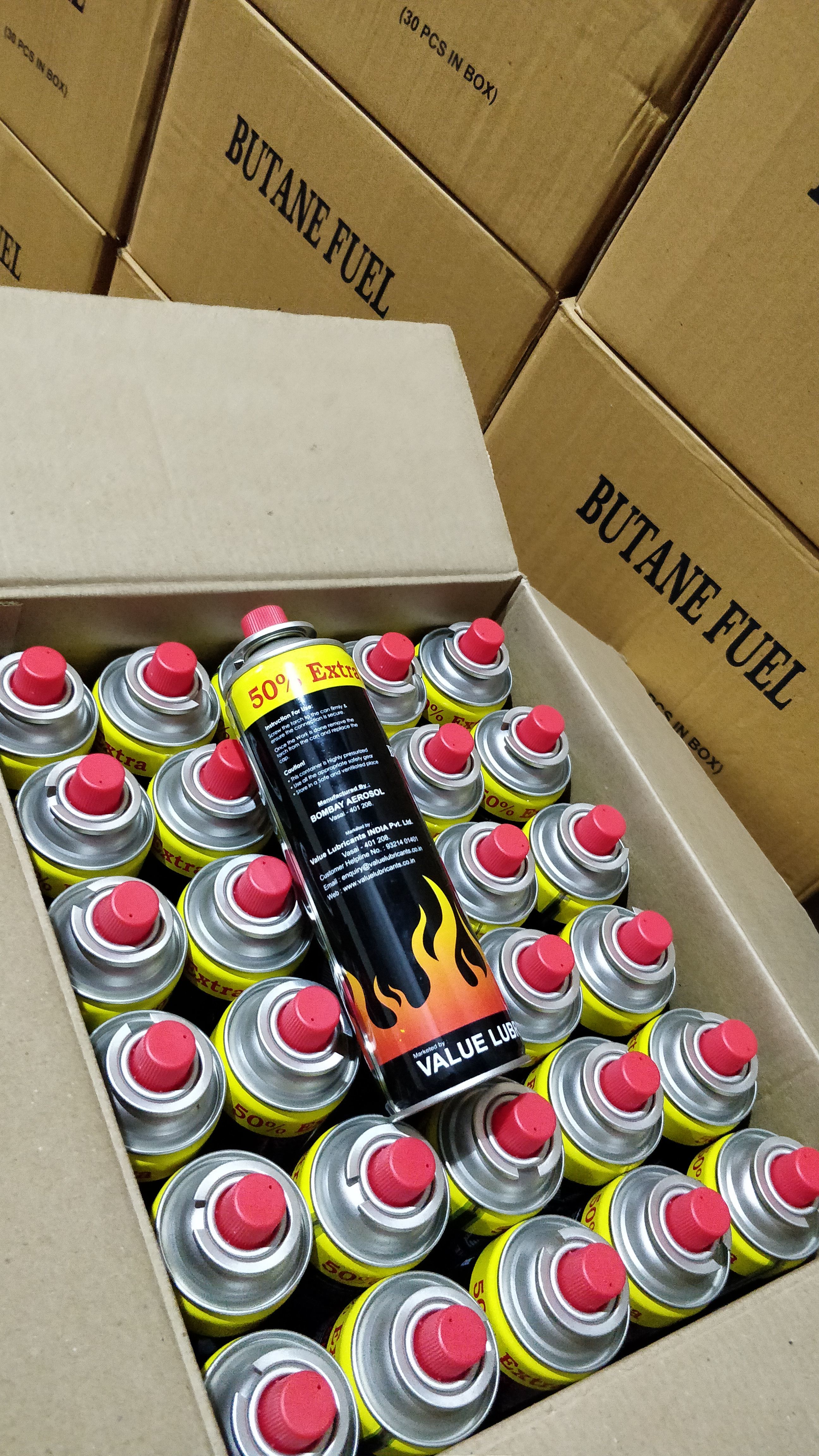
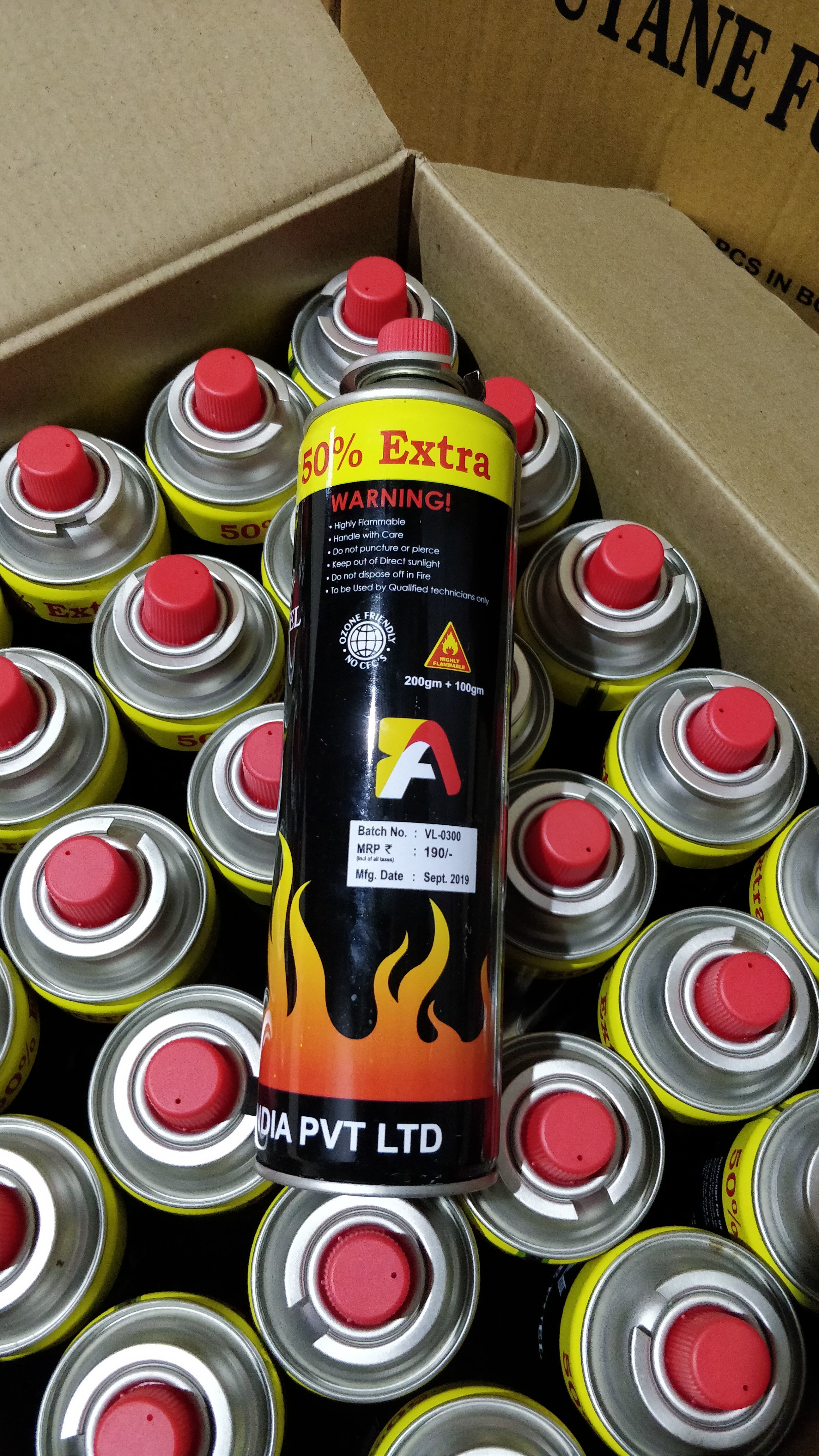
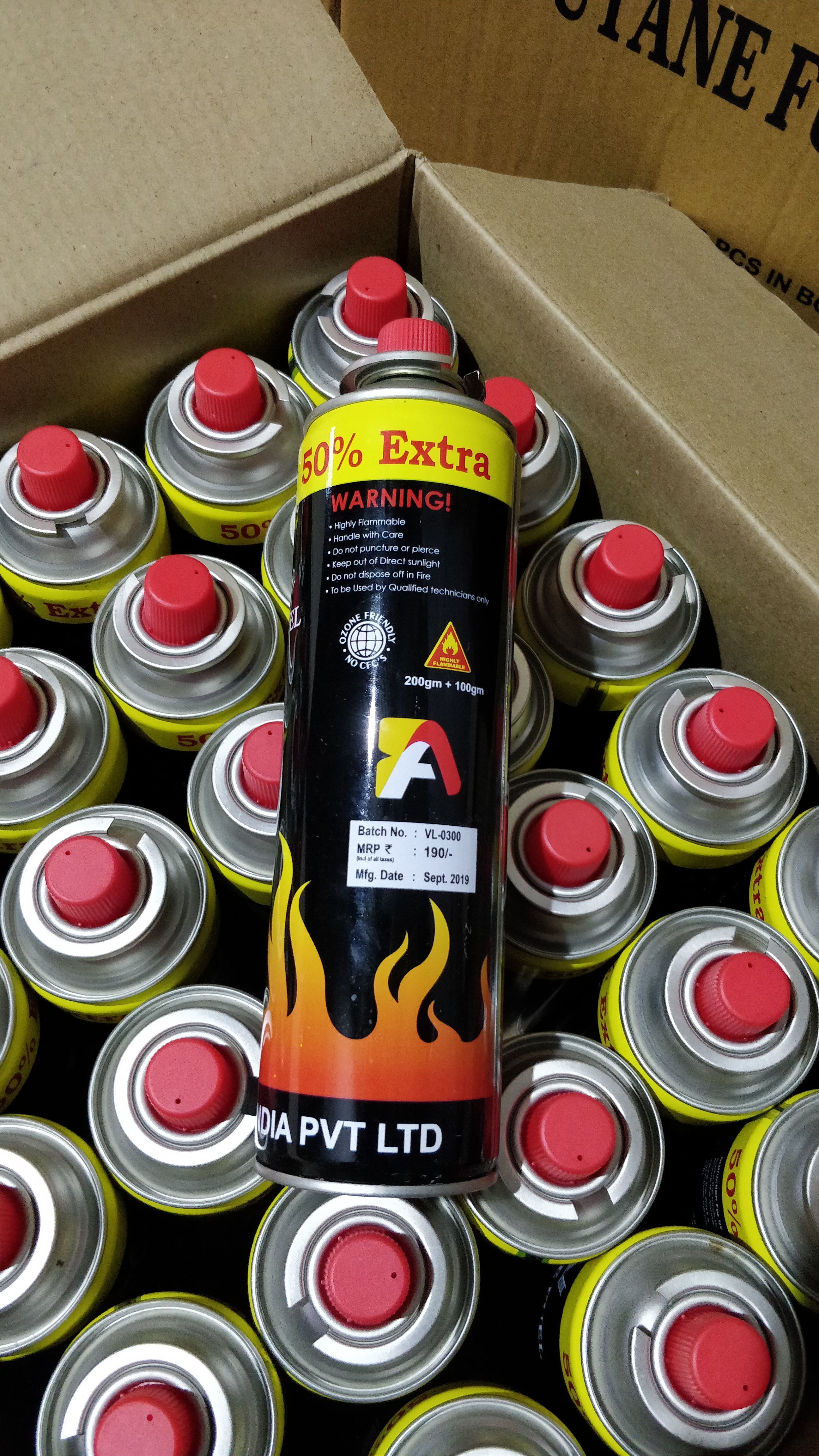
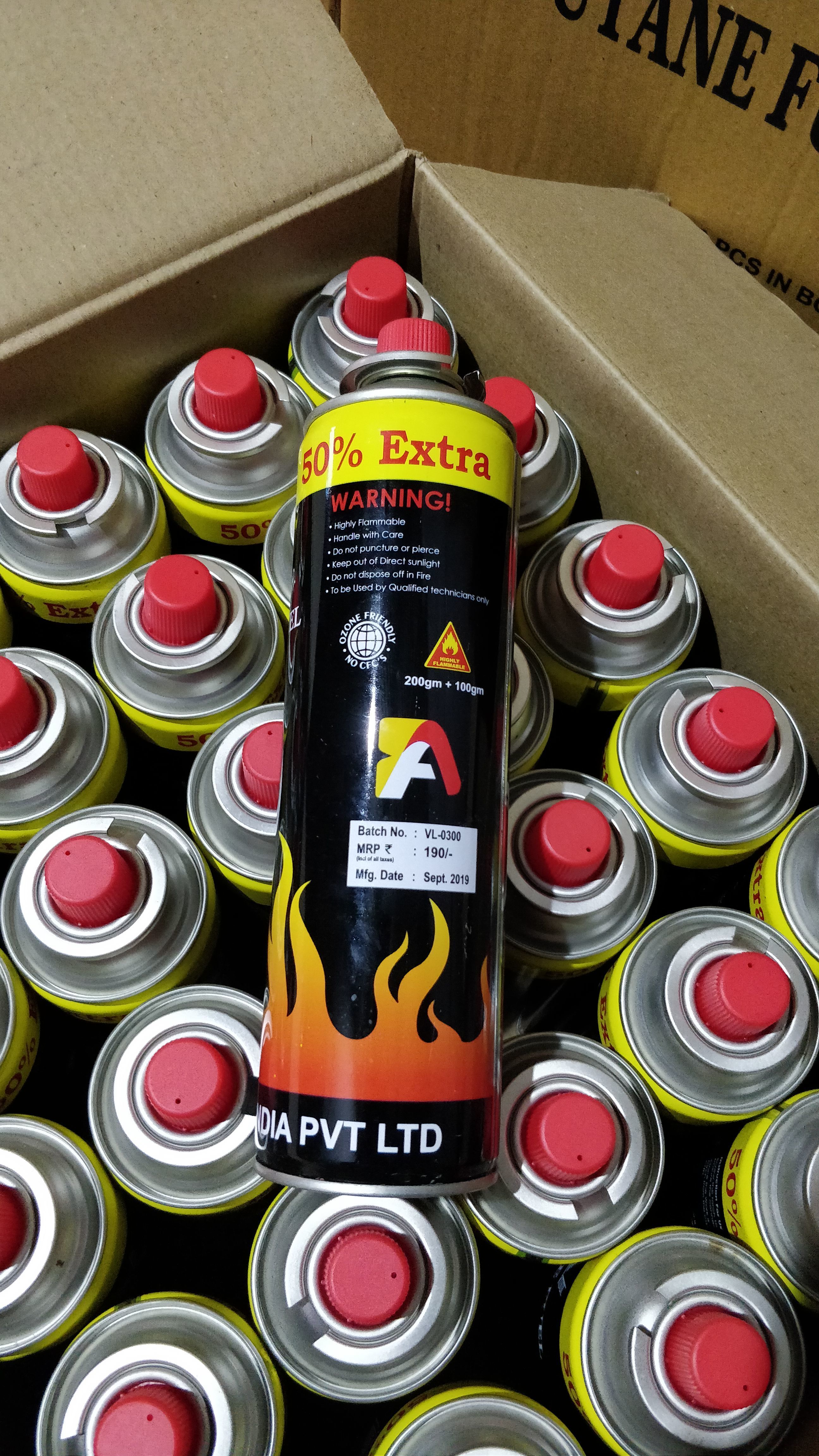
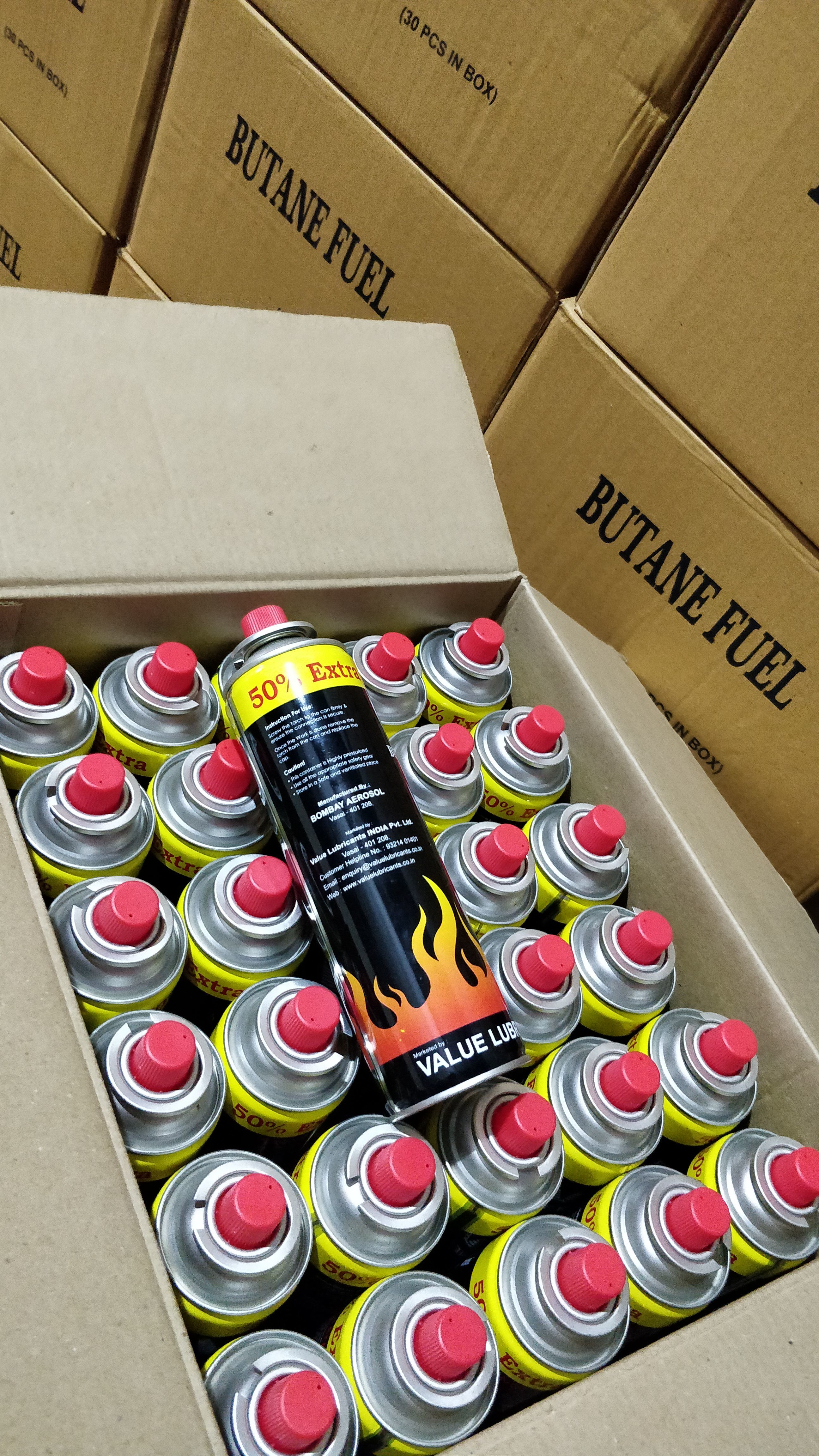
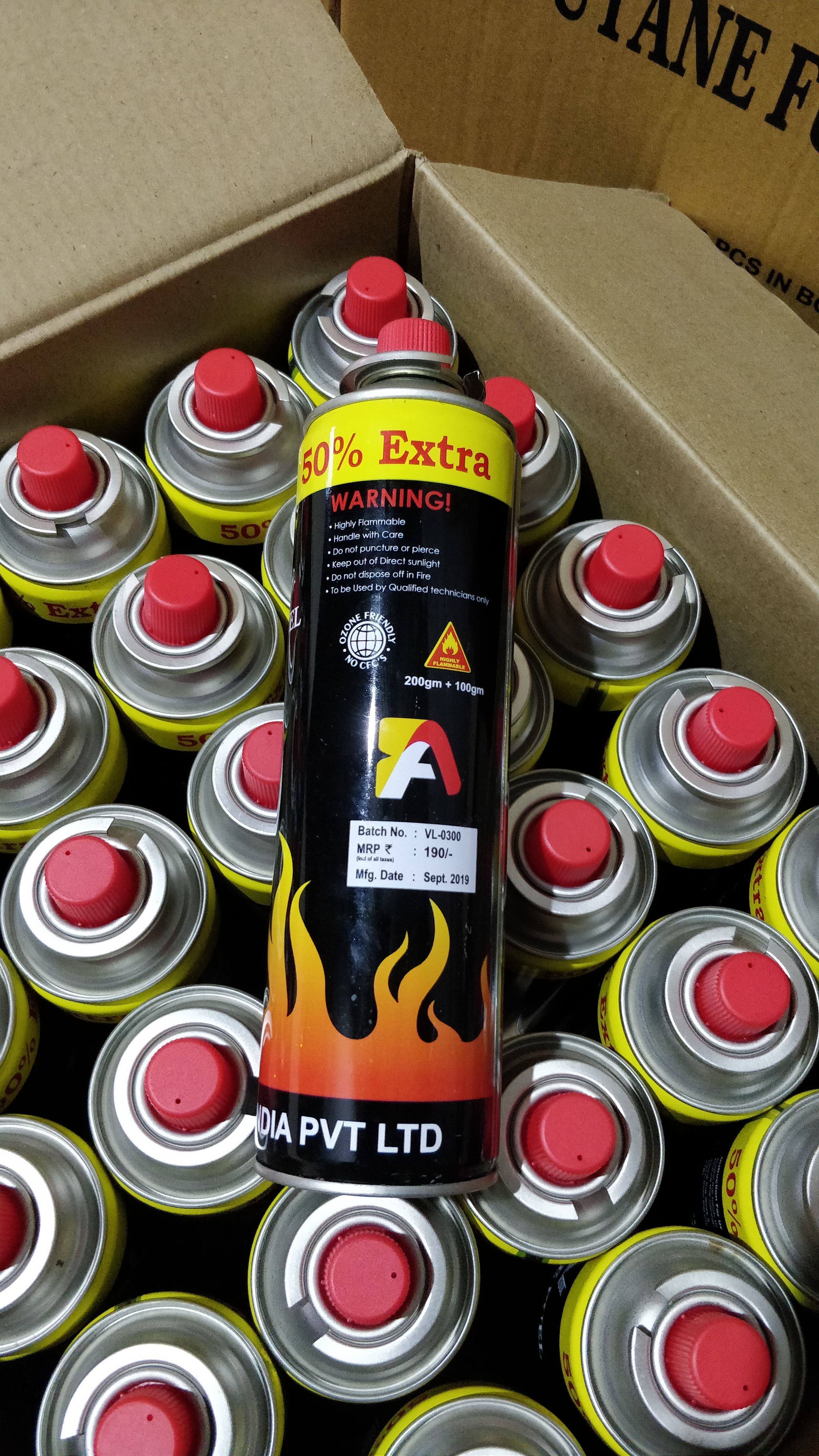
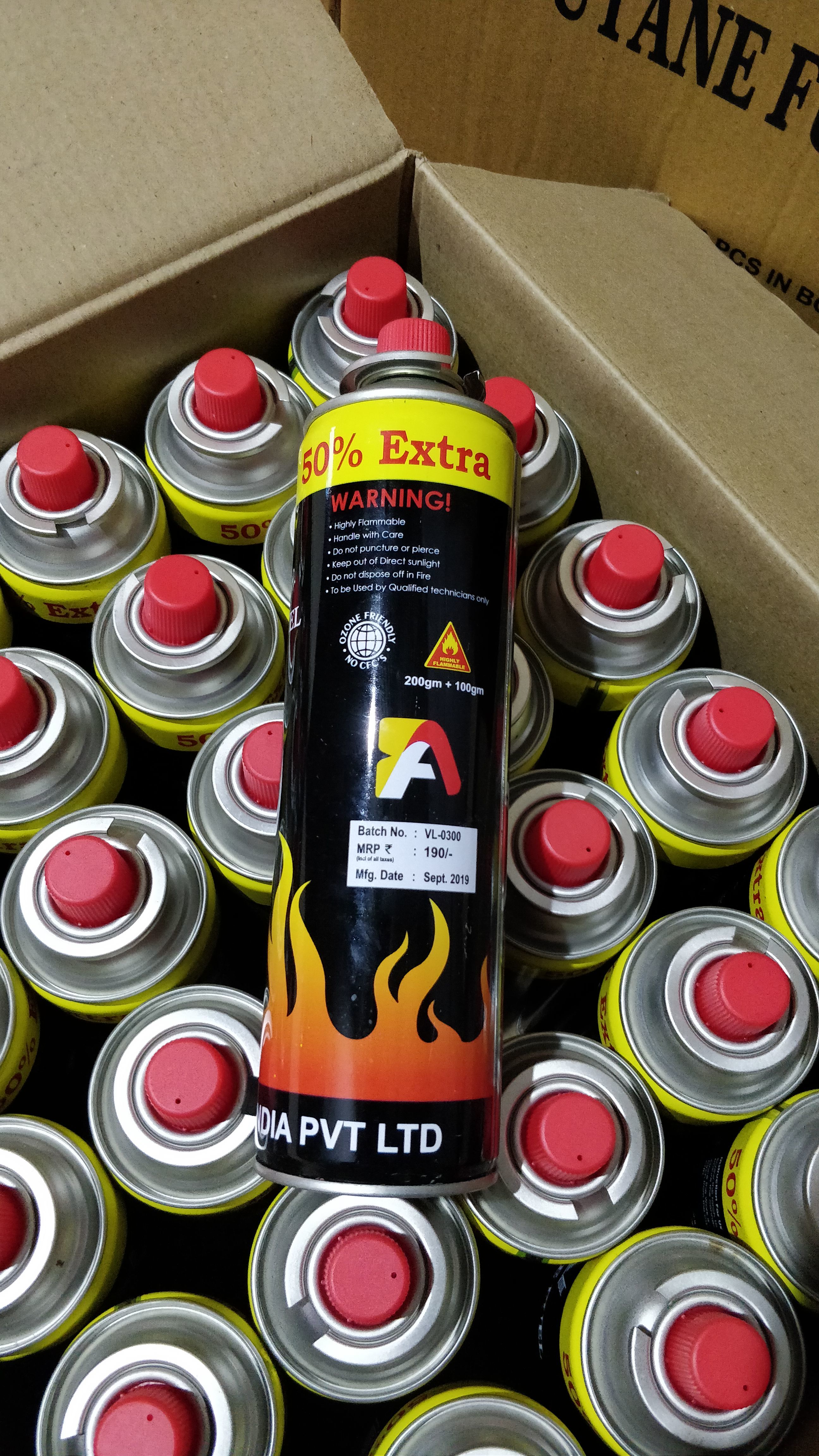
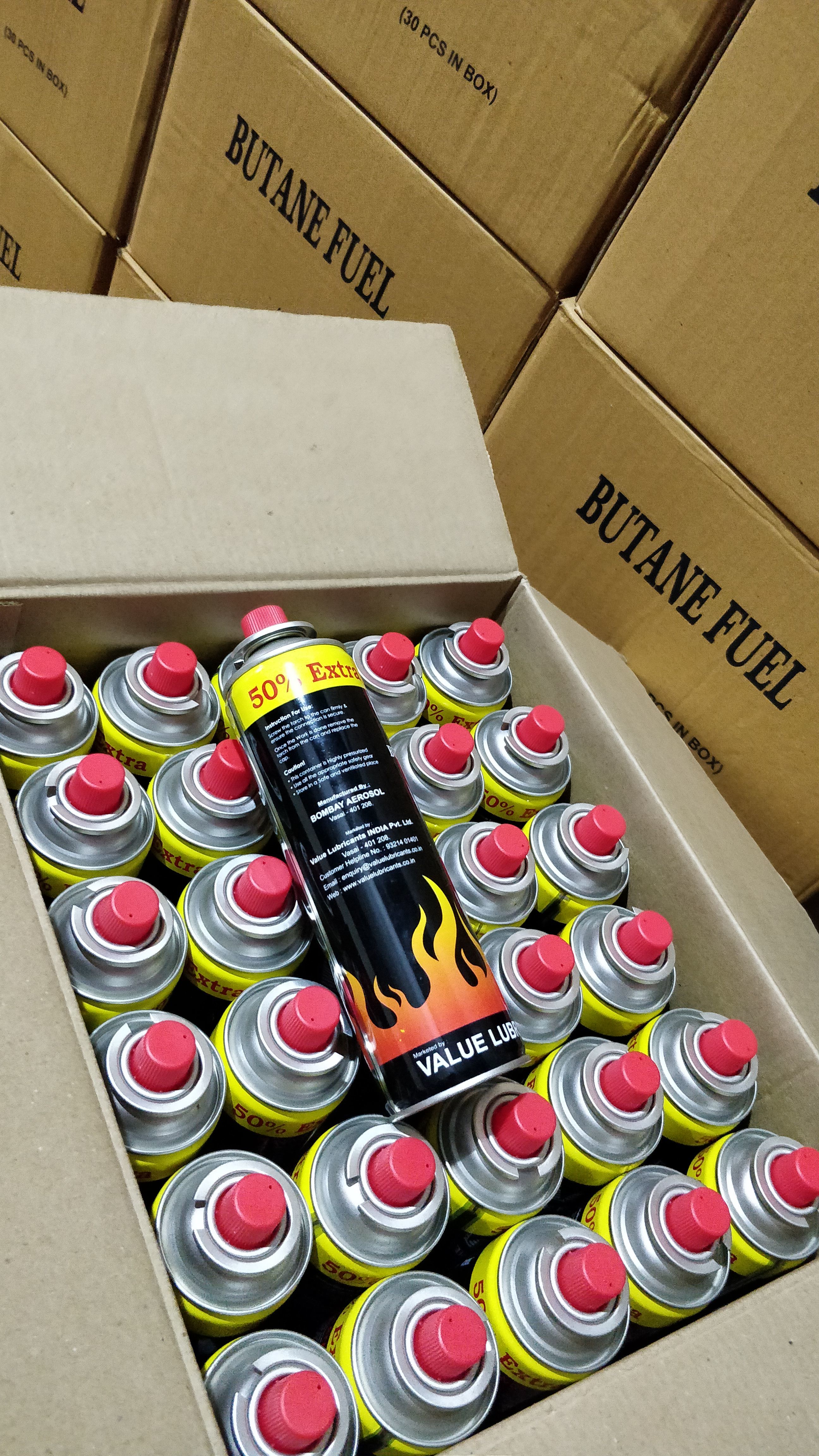
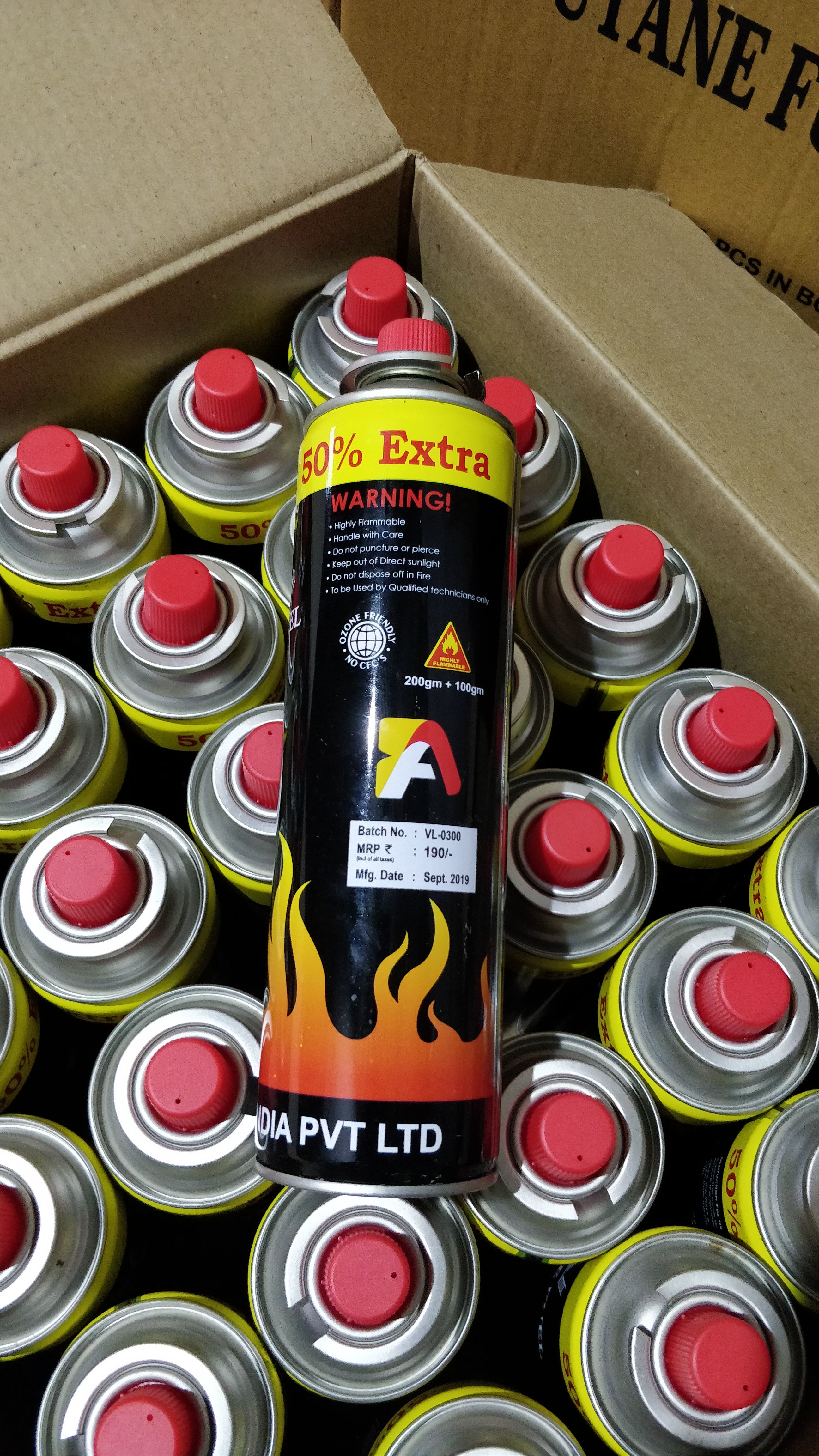
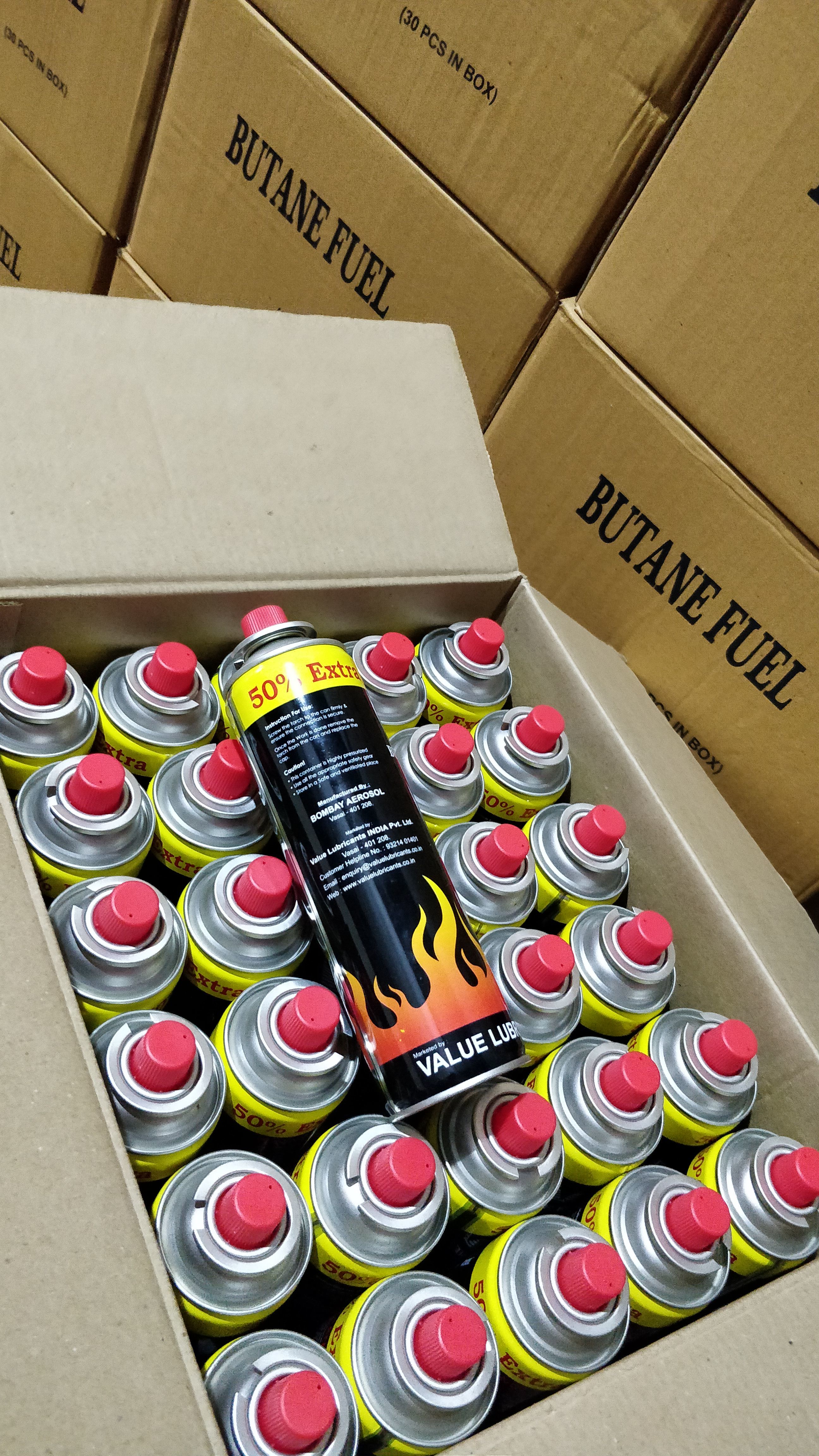
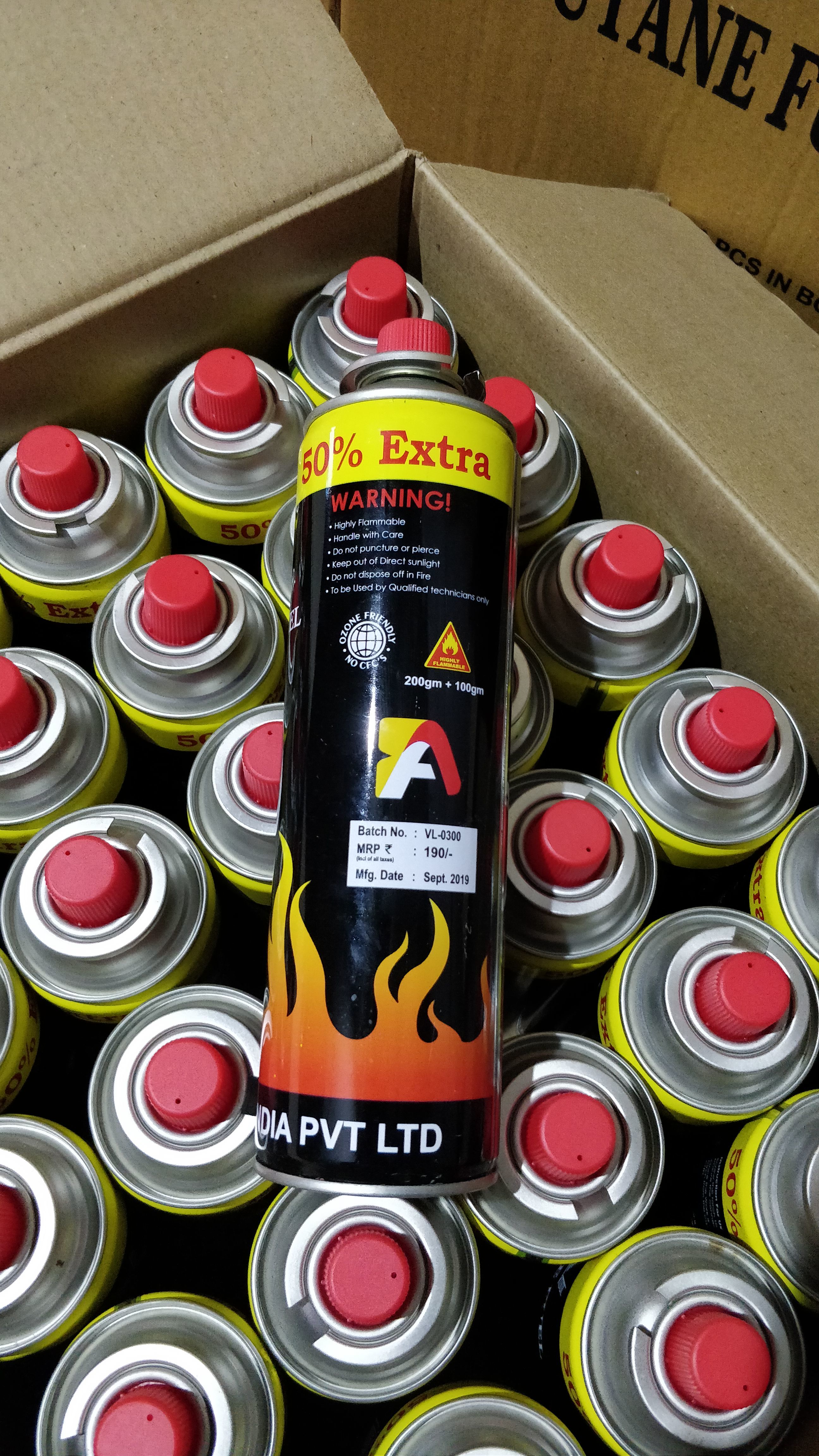
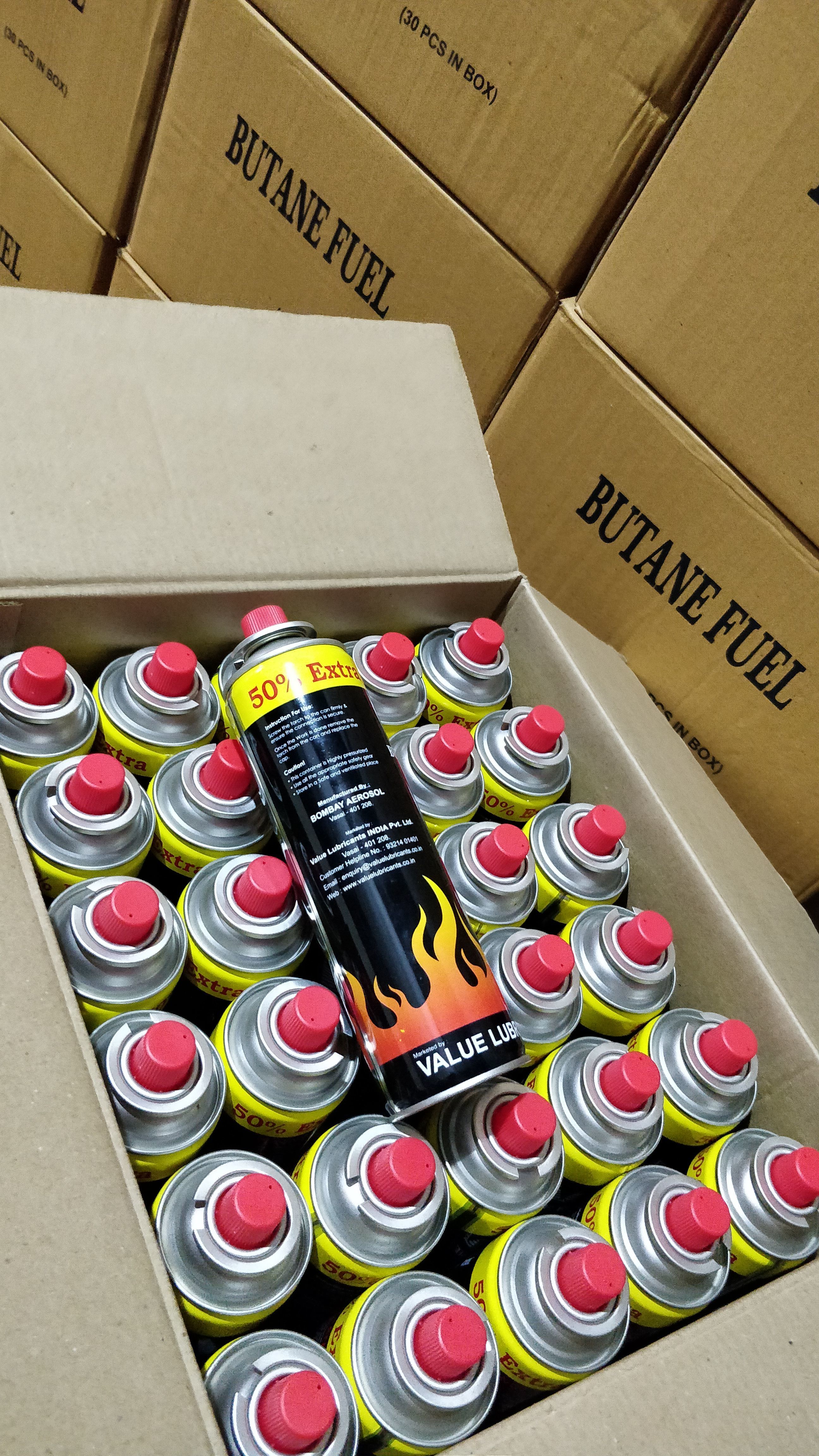
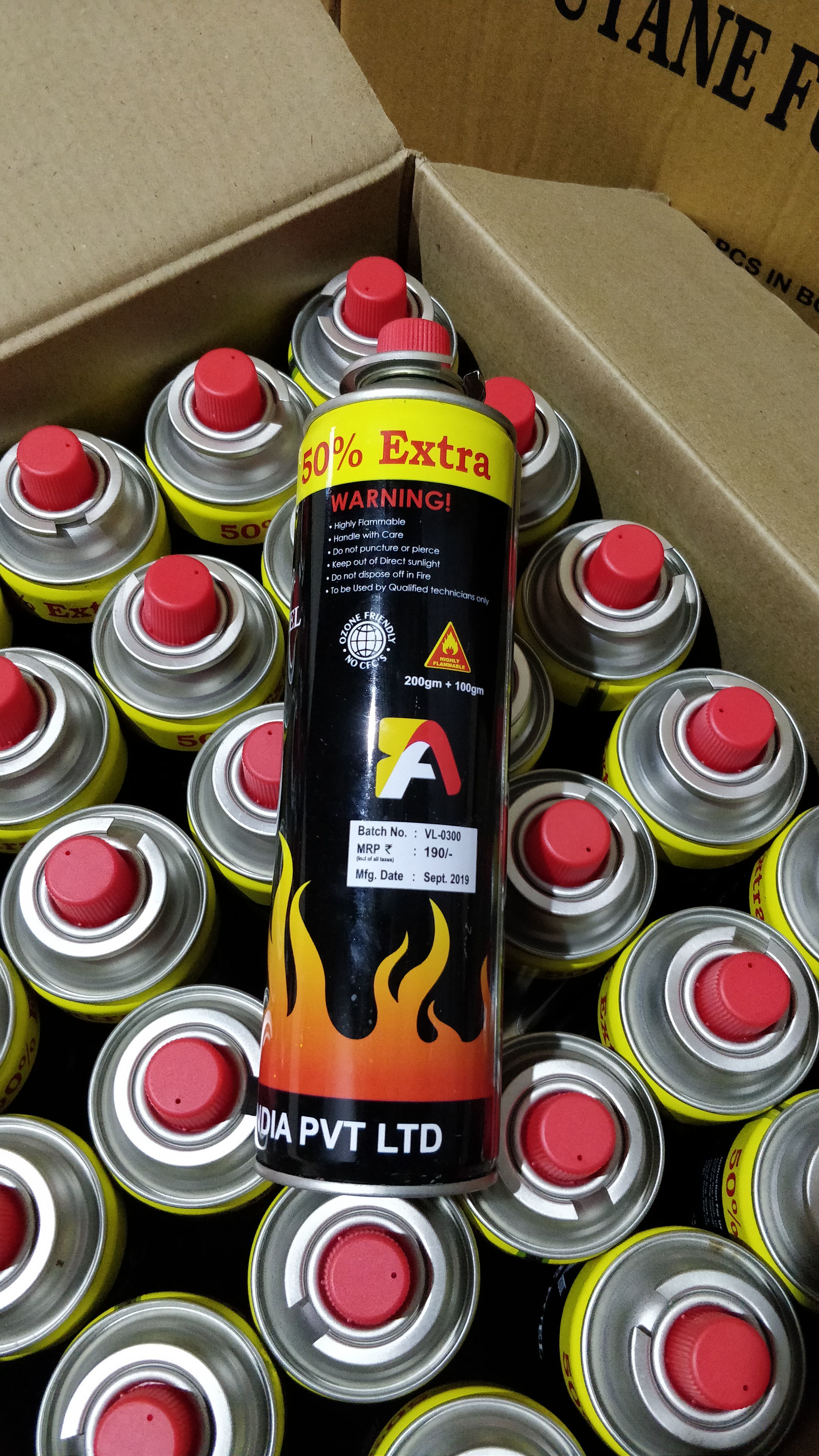
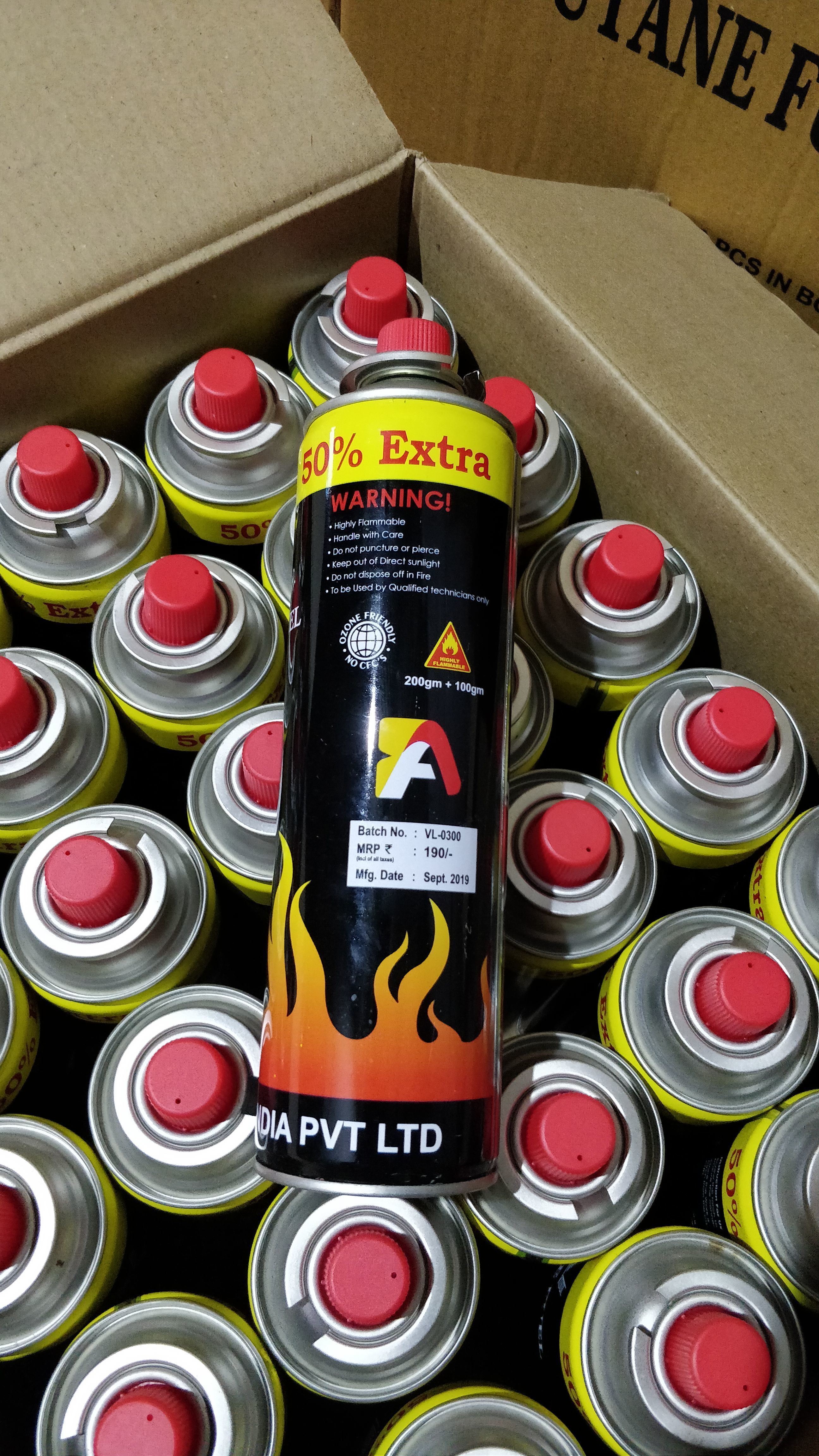
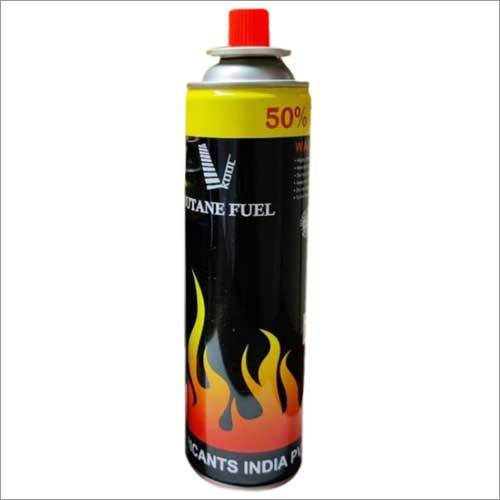
Butane Gas
Price 150 INR/ Piece
MOQ : 600 Grams
Butane Gas Specification
- Boiling point
- -0.5C
- Vapor Density
- 2.07 (Air=1)
- Purity
- 99.5% - 99.9%
- Pressure
- Stored under high pressure (8-10 bar)
- CAS No
- 106-97-8
- Industries
- Chemical, Pharmaceutical, Energy, Food & Beverage, Metal Working
- Melting Point
- -138C
- Freezing Point
- -138C
- Filling Pressure
- 8-10 bar
- Density
- 2.48 Gram per cubic centimeter(g/cm3)
- Volume
- Cylinders ranging from 1L to 50L
- Application
- LPG fuel, Calibration gas blends, Aerosol propellants, Refrigerants
- Weight
- 500g, 1kg, 5kg, 10kg, 20kg (customizable)
- Appearance
- Colorless gas
- Molar Mass
- 58.12 g/mol
- Hazard Class
- 2.1 (Flammable Gas)
- Molecular Formula
- C4H10
- Solubility in Water
- Very low
- Packaging
- Disposable and refillable cylinders
- Storage
- Store in cool, ventilated, dry place
- UN Number
- UN1011
- Shelf Life
- Indefinite under recommended conditions
- Cylinder Type
- Seamless steel, aluminum or composite
- Odor
- Faint petroleum-like odor
- Flammability
- Highly flammable
Butane Gas Trade Information
- Minimum Order Quantity
- 600 Grams
- Payment Terms
- Cash on Delivery (COD), Cheque, Cash in Advance (CID), Cash Advance (CA)
- Supply Ability
- 10000 Grams Per Week
- Delivery Time
- 3 Days
- Sample Policy
- Contact us for information regarding our sample policy
- Packaging Details
- Box Packing
- Main Domestic Market
- Chandigarh, Himachal Pradesh, Uttarakhand, Daman and Diu, Dadra and Nagar Haveli, Lakshadweep, Kerala, Goa, Telangana, Nagaland, Jharkhand, Pondicherry, North India, Mizoram, Haryana, Jammu and Kashmir, East India, Bihar, Andaman and Nicobar Islands, West India, Manipur, Arunachal Pradesh, West Bengal, Tripura, Madhya Pradesh, Meghalaya, Assam, Karnataka, Sikkim, Rajasthan, Tamil Nadu, Maharashtra, Delhi, Gujarat, South India, Punjab, Andhra Pradesh, Central India, Odisha, Chhattisgarh, Uttar Pradesh, All India
About Butane Gas
Butane Gas
Butane Gas is basically a straight chain alkaline that comprises of four carbon atoms. The product has a great contribution as a food propellant and also a refrigerant. It is a gas molecular entity that an alkane. Butane is gas which is colorless along with a faint petroleum-like odor. The formula of the main ingredient C4H10. If we talk about the physical properties of the gas then the molecular Weight of the key ingredient is (lb/mol) 58.12. And the required Critical Temp. (°F) is 305.9 acquiring the pressure (psia) 549.9. The boiling Point (°F) is 31.0 accompanied by the melting Point (°F) which is accounted to be -217.0. Butane gas has Specific Gravity of 2.108 and specific Heat @ 70°F (Btu/lbmol-°F). 23.87
Versatile Industrial Applications
Butane gas is widely utilized across industries, including chemical processing, pharmaceuticals, energy production, food & beverage, and metal working. Its high purity (99.5% 99.9%) makes it suitable for sensitive applications such as calibration gas blends and refrigerants, as well as a reliable LPG fuel and aerosol propellant.
Secure Storage and Durable Packaging
Packaged in both disposable and refillable cylinders made of seamless steel, aluminum, or composite materials, butane gas is presented in various capacities to meet diverse needs. Cylinders are designed for safety, stored under high pressure, and must be kept in cool, ventilated, dry environments to maintain product integrity.
FAQs of Butane Gas:
Q: How should butane gas cylinders be stored to ensure safety and longevity?
A: Butane gas cylinders must be stored in a cool, dry, and well-ventilated location away from heat sources or open flames. This environment preserves the gass quality and guarantees its indefinite shelf life under recommended conditions.Q: What are the primary uses of butane gas across different industries?
A: Butane gas is utilized as an LPG fuel, in calibration gas blends, aerosol propellants, and refrigerants. It serves important functions within the chemical, pharmaceutical, energy, food & beverage, and metal working sectors.Q: When is it recommended to use seamless steel, aluminum, or composite cylinders for butane gas?
A: The selection of cylinder type depends on usage requirements, volume, and application. Seamless steel and aluminum cylinders are standard for industrial or commercial use due to their durability, while composite options offer lighter weight for enhanced portability.Q: Where can butane gas be sourced in India?
A: Butane gas is available across India through a network of dealers, manufacturers, suppliers, traders, and wholesalers. Customizable cylinder capacities and weights are typically offered to accommodate specific industry needs.Q: What is the process of refilling or disposing of butane gas cylinders?
A: Refillable cylinders should only be handled by certified professionals following proper filling and maintenance protocols. Disposable cylinders must be emptied and disposed of in accordance with local regulations to ensure environmental and user safety.Q: How does butane gas benefit industrial and commercial operations?
A: Butane gas provides a clean-burning, efficient fuel option with a high purity level, supporting precise operations such as laboratory calibration, refrigeration, and high-performance fuel applications. Its packaging versatility enables convenient transport and storage across various sectors.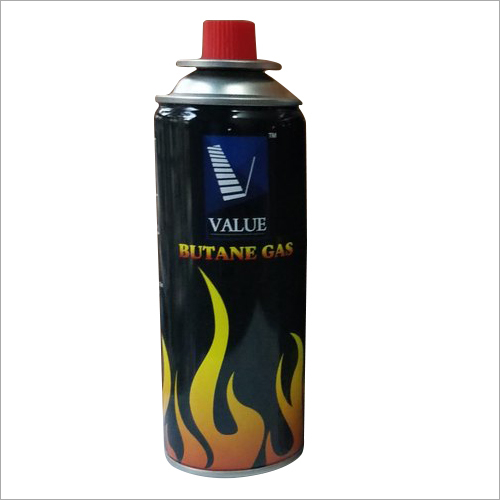
Tell us about your requirement

Price:
Quantity
Select Unit
- 50
- 100
- 200
- 250
- 500
- 1000+
Additional detail
Mobile number
Email

More Products in Butane Gas Category

 Send Inquiry
Our Products

Plot no:- C-19, Sagar Industrial, Near Masjid, Near Quality Hardware, Dhumal Nagar, Vasai East,Vasai - 401208, Maharashtra, India

Mr. Pankaj Joshi
(Proprietor)
Mobile :08045804098
 Send Inquiry
 Send SMS
Developed and Managed by Infocom Network Private Limited.
